The other 70%
It looks done.
A studio hands a catalogue to a YouTube partner. The episodes go up. Each one is titled, thumbnailed and claimed, and the channel looks the way a channel should. Everyone signs off.
This is the part of the job everyone can see. Every provider does it, and so do we.
Then the money does not come.
Views trickle. Revenue drips. The reports look fine and nobody can say why, because nothing was done wrong.
Because uploading was 30% of the job.
The other 70% had no owner: the audience that comes back, the release plan for every market, the rights that are actively managed.
Most providers stop before it. It is slower, it is people work, and none of it shows on an upload screen.
So we took the part nobody owned.
We were founded for the other 70%. We do the first 30 as well; it comes with the job.
Engagement is the means. Sustainable revenue from the content is the end.
The proof
Here is what that looked like on two of our own series.
When our series Kuma and Arafta entered a market dominated by established automated players, we achieved weekly-level revenue on a daily production format, built entirely on human-led strategy, in-house tools, and audiences that genuinely show up.
We hold every channel we run to that standard.
The 70%, day to day
Every channel gets a team that reads its audience and sets its direction. What they learn goes into the tools, for the next one.
01
The audience
Our flagship. We turn viewers into communities with human-led engagement: people who know a comment in Turkish needs a different tone from one in Arabic. You cannot automate that.
- TRTurkish
- ENEnglish
- ARArabic
- ESSpanish
- TATamil
- URUrdu
- and more
02
Markets and rights
A title that travels needs a release plan for each market and rights that are watched, not filed. Channel management, CMS and rights, and the localisation and distribution work that opens a new market when a title needs it.
03
The tools underneath
Every tool we run came out of a launch where someone here saw what the dashboard did not. We built it in, so the next channel starts with it.
Decide
Strategists, community managers, localisation experts
Tool
Search & Discovery
Tool
Audience Listening
Tool
Localisation
Tool
Performance Intelligence
The people who run it
Finance and strategy, operations and delivery, content partnerships: the three roles TRM was built on.

CEO & Founder
Smita Agrawal
Content owners needed someone who would run their content on YouTube as a business. Smita saw that gap from the finance side, as a CFA (ICFAI) with an MBA in Finance, and founded TRM to fill it. She leads partnerships, client relationships and growth, and is at MIPCOM and ATF every year.
LinkedIn →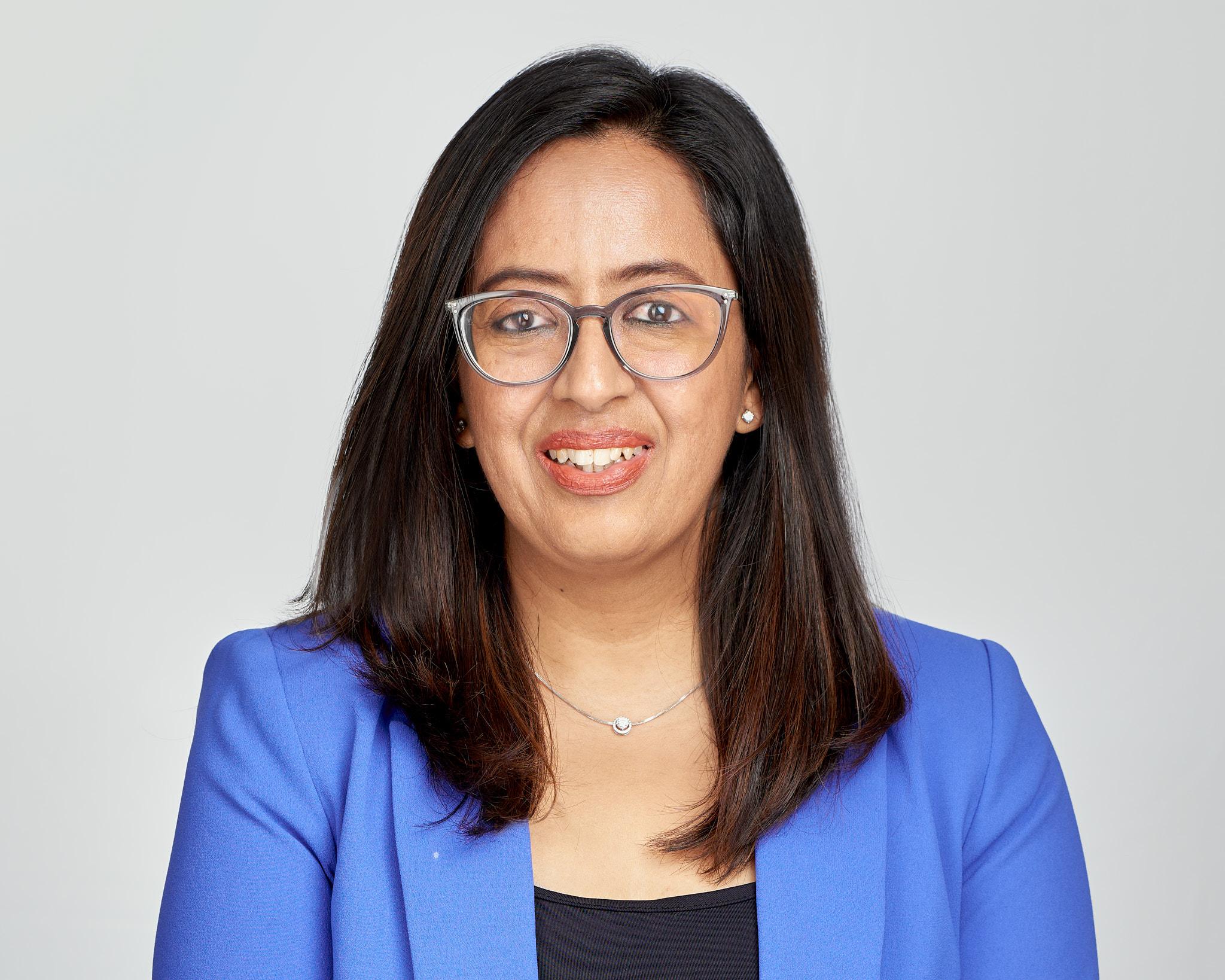
COO & Co-Founder
Rinku Basu
Twenty-three years running operations in health tech and technology, and an INSEAD and SIBM alumna. Rinku is TRM’s co-founder and runs delivery: the process behind every channel, built to hold as the number of channels grows.
LinkedIn →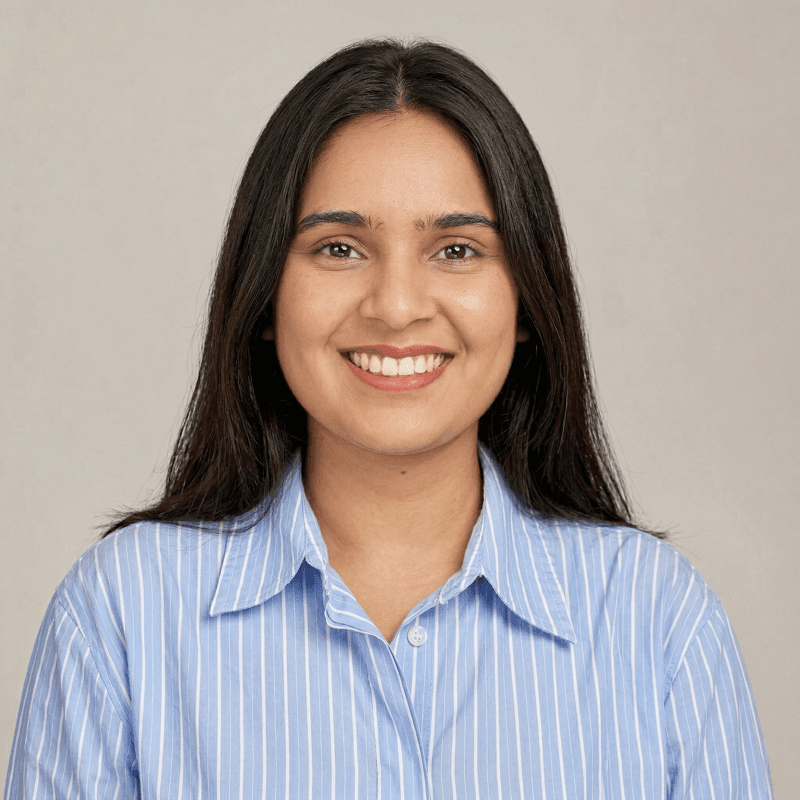
Head, Content Partnerships
Kiran Joshi
Content strategy and digital media, with content acquisition at GoQuest Media before TRM. Kiran leads creator onboarding and rights evaluation: which titles to take on, and on what terms. She builds the partnerships that bring new content to our channels.
LinkedIn →Finished content or a new slate: let's talk about what the rest of the job does for it.
Book a call